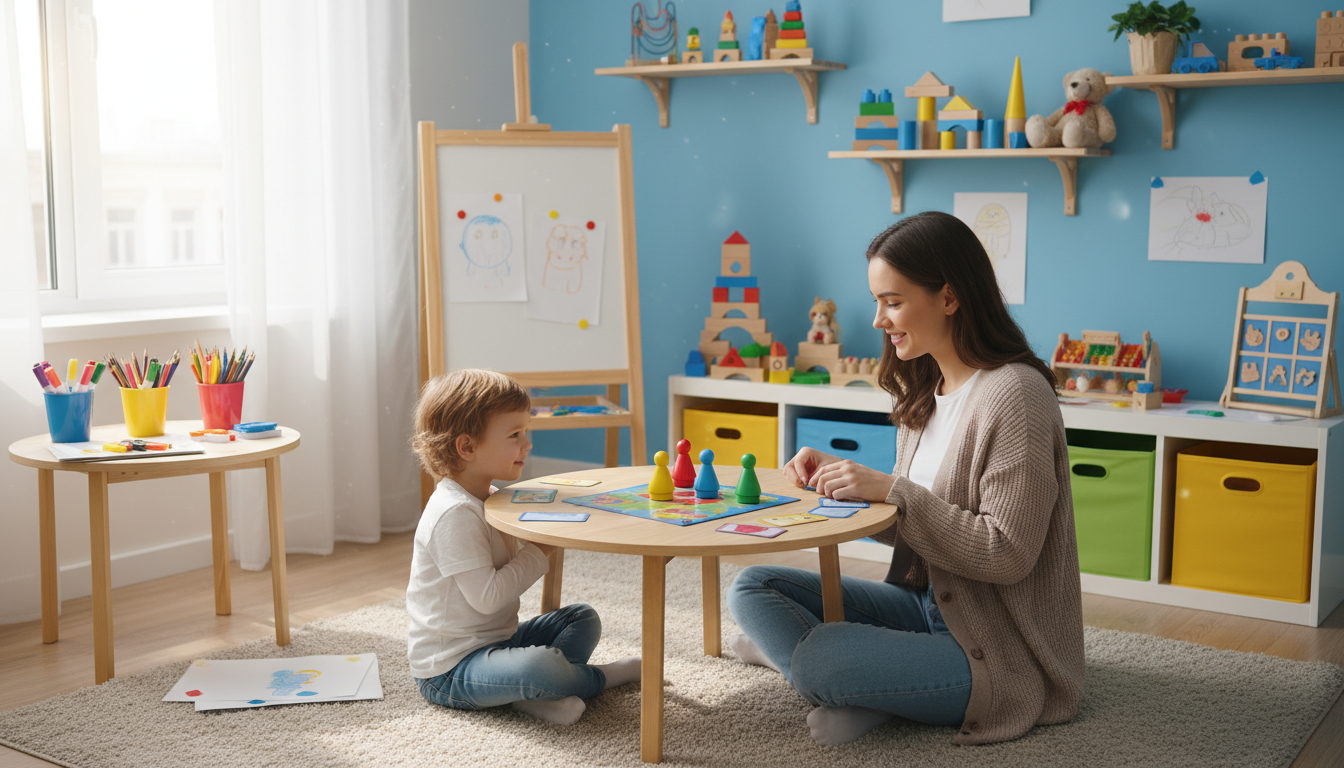
Child Psychologist in Carlsbad: When Your Child Needs Help
Every parent wants to see their child happy and thriving. But when behavioral changes, emotional struggles, or developmental concerns arise, knowing when and where to seek professional help can feel overwhelming. A child psychologist in Carlsbad can provide the specialized assessment and therapy your child needs to navigate life's challenges and build lasting resilience.
Signs Your Child May Need a Psychologist
Children are not always able to articulate what they are feeling. Instead, emotional distress often shows up through changes in behavior, academic performance, or social interactions. While occasional mood swings and difficult days are a normal part of growing up, persistent patterns may signal that your child could benefit from seeing a child psychologist in Carlsbad.
Watch for these warning signs that suggest professional evaluation may be warranted:
- Persistent sadness or withdrawal lasting more than two weeks, including loss of interest in activities they previously enjoyed, frequent crying, or refusal to participate in family events.
- Excessive worry or fear that interferes with daily routines, school attendance, or sleep. Children with anxiety may complain of frequent stomachaches or headaches with no medical explanation.
- Sudden behavioral changes such as increased aggression, defiance, tantrums beyond what is developmentally appropriate, or reverting to behaviors they had outgrown (bedwetting, thumb-sucking).
- Academic decline including dropping grades, difficulty concentrating, or school refusal that appears suddenly or worsens over time.
- Social difficulties like trouble making or keeping friends, being bullied, extreme shyness that prevents participation, or frequent conflicts with peers.
- Changes in eating or sleeping patterns that are not explained by physical illness, including nightmares, insomnia, refusal to eat, or overeating.
- Talk of self-harm or hopelessness, even if it seems casual. Any mention of wanting to hurt themselves or not wanting to be alive should be taken seriously and addressed immediately.
When to act immediately: If your child expresses thoughts of self-harm or suicide, call 988 (Suicide & Crisis Lifeline) or take them to the nearest emergency room. You can also call our team at (760) 400-6412 for immediate guidance.
What Does a Child Psychologist Do?
A child psychologist is a licensed mental health professional who specializes in the cognitive, emotional, social, and behavioral development of children and adolescents. Unlike professionals who work primarily with adults, child psychologists are trained in developmental psychology and use age-appropriate therapeutic techniques designed specifically for younger minds.
When you bring your child to a psychologist in Carlsbad, the process typically involves several key components:
Comprehensive Assessment
The psychologist gathers information through interviews with parents, observation of the child, standardized psychological testing, and questionnaires. This helps identify the root causes of your child's difficulties rather than just the surface symptoms.
Evidence-Based Therapy
Child psychologists use proven therapeutic approaches adapted for children, including cognitive behavioral therapy (CBT), play therapy, art therapy, and family systems therapy. These methods help children develop coping skills, process emotions, and change unhelpful thought patterns. Many of these approaches are also used in our outpatient therapy programs.
Parent Coaching and Family Involvement
Effective child psychology almost always involves the family. Your psychologist will provide guidance on parenting strategies, communication techniques, and ways to create a supportive home environment that reinforces the progress made in therapy sessions.
Ongoing Monitoring and Adjustment
Treatment plans are not static. A good child psychologist continually assesses your child's progress, adjusts therapeutic techniques as needed, and collaborates with teachers, pediatricians, and other professionals to ensure holistic support.
Common Childhood Mental Health Conditions
Mental health conditions are more prevalent in children than many parents realize. According to the CDC, approximately 1 in 6 children aged 2 to 8 has a diagnosed mental, behavioral, or developmental disorder. A child psychologist in Carlsbad can evaluate and treat a wide range of conditions, including:
Anxiety Disorders
Generalized anxiety, separation anxiety, social anxiety, and specific phobias are among the most common childhood mental health conditions. Children may avoid situations, have meltdowns, or experience physical symptoms like nausea. Learn more about anxiety treatment approaches.
Depression
Childhood depression looks different from adult depression. Irritability is often the primary symptom rather than sadness. Children may become angry, withdrawn, or express feelings of worthlessness. Explore our depression treatment programs.
ADHD
Attention-deficit/hyperactivity disorder affects a child's ability to focus, control impulses, and regulate activity levels. A psychologist can conduct thorough testing to differentiate ADHD from other conditions that present with similar symptoms.
Bipolar Disorder
While less common in young children, bipolar disorder can emerge in adolescence with dramatic mood swings, energy changes, and impaired judgment. Early identification is critical. Read about bipolar disorder treatment.
Behavioral Disorders
Oppositional defiant disorder (ODD) and conduct disorder involve persistent patterns of defiant, hostile, or rule-breaking behavior that goes beyond typical childhood misbehavior and significantly impacts family and school functioning.
Trauma and PTSD
Children who have experienced abuse, neglect, loss, family disruption, or other traumatic events may develop post-traumatic stress disorder. Trauma-informed child psychologists use specialized techniques like trauma-focused CBT and EMDR adapted for younger patients.
Child Psychologist vs. Psychiatrist vs. Counselor
Parents often wonder which type of mental health professional is the right fit for their child. While there is overlap between these roles, understanding the key differences can help you make an informed decision about your child's care.
| Child Psychologist | Child Psychiatrist | Licensed Counselor / Therapist | |
|---|---|---|---|
| Education | Doctoral degree (Ph.D. or Psy.D.) in psychology | Medical degree (M.D. or D.O.) with psychiatric specialty | Master's degree in counseling, social work, or marriage and family therapy |
| Can Prescribe Medication? | No (in most states, including California) | Yes | No |
| Psychological Testing | Yes, comprehensive evaluations and IQ/developmental testing | Sometimes, but typically refers to psychologists | No formal psychological testing |
| Therapy Sessions | Yes, ongoing individual and family therapy | Sometimes, but often focuses on medication management | Yes, ongoing individual and family therapy |
| Best For | Diagnosing conditions, behavioral therapy, psychological testing, complex cases | Cases requiring medication, severe symptoms, or co-occurring medical conditions | General emotional support, coping skills, life transitions, mild to moderate symptoms |
| Typical Session Frequency | Weekly to biweekly | Monthly after stabilization | Weekly to biweekly |
Many children benefit from a collaborative approach that involves more than one type of provider. For example, a child psychologist may provide weekly therapy while a child psychiatrist manages medication. At Carlsbad Behavioral Health Solutions, our multidisciplinary team works together to ensure every aspect of your child's mental health is addressed.
How to Prepare Your Child for Their First Visit
The idea of seeing a psychologist can be intimidating for children, especially if they associate it with being "broken" or "in trouble." How you introduce the idea matters significantly. Here are practical strategies to help your child feel safe and comfortable:
Use age-appropriate language
For younger children, explain that they are going to see a "feelings doctor" or a "worry helper" who talks to kids about their thoughts and feelings. For teens, be straightforward and honest: explain that a psychologist is someone trained to help people work through difficult emotions, and that seeking help is a sign of strength.
Normalize the experience
Let your child know that many kids see psychologists, just like they see a doctor when their body is not feeling well. If you have ever spoken with a therapist yourself, sharing that experience (at an age-appropriate level) can help reduce stigma.
Avoid over-preparing or making promises
While some preparation is good, avoid scripting out the entire visit. Do not promise that they will not have to talk about hard things or that it will be "fun." Instead, reassure them that they can go at their own pace and that the psychologist is there to help, not judge.
Bring relevant information
Gather school reports, previous evaluations, medical records, and a written summary of your concerns and your child's history. This helps the psychologist understand the full picture and makes the initial session more productive.
Let your child bring a comfort item
A favorite stuffed animal, blanket, or fidget toy can help younger children feel more secure in an unfamiliar environment. Most child psychologists welcome these items and may even incorporate them into the session.
Remember that a first appointment is primarily about building rapport. Most child psychologists will spend the initial session getting to know your child through conversation, play, or creative activities rather than diving into deep therapeutic work.
Finding the Right Child Psychologist in Carlsbad
Carlsbad and the surrounding North County San Diego area offer a number of qualified child psychologists, but finding the right match for your family requires some research. The therapeutic relationship between your child and their psychologist is one of the strongest predictors of positive outcomes, so it is worth taking the time to find someone who is the right fit.
Consider these factors when evaluating providers:
- Licensure and specialization: Verify that the psychologist is licensed in California and has specific training or experience in child and adolescent psychology. Board certification in clinical child and adolescent psychology from the American Board of Professional Psychology (ABPP) is an added credential to look for.
- Experience with your child's specific concerns: A psychologist who specializes in anxiety may not be the ideal fit for a child with ADHD or trauma. Ask directly about their experience treating the issues your child is facing.
- Therapeutic approach: Different psychologists use different methods. Some focus on cognitive behavioral therapy, others on play therapy or family systems work. Ask about their primary approach and why they believe it will be effective for your child.
- Insurance and financial considerations: Confirm whether the psychologist accepts your insurance plan. If they do not, ask about out-of-network benefits, sliding scale fees, or superbill options for reimbursement.
- Your child's comfort level: After the first one or two sessions, ask your child how they felt. Did they feel heard? Safe? It is normal for children to be nervous at first, but persistent reluctance or distress may indicate the need to try a different provider.
Local resources for finding providers: The San Diego Psychological Association, your child's pediatrician, school counselor, and your insurance company's provider directory are all valuable starting points. You can also contact us at (760) 400-6412 for referrals and guidance on connecting your child with the right professional.
When Your Child Needs More Comprehensive Support
Weekly outpatient sessions with a child psychologist are the right level of care for many children. However, some situations call for a higher level of support. If your child's symptoms are severe, if they are not making progress with weekly therapy alone, or if their safety is a concern, a more intensive treatment program may be the appropriate next step.
At Carlsbad Behavioral Health Solutions, we offer a full continuum of mental health care that includes:
Outpatient Therapy
Individual and family sessions that fit around school and home schedules.
Intensive Outpatient Program (IOP)
Structured therapy several days per week while your child continues living at home.
Partial Hospitalization Program (PHP)
Full-day programming with comprehensive clinical support, returning home each evening.
Residential Treatment
24/7 therapeutic care in a safe, structured environment for the most complex cases.
Our clinical team includes psychologists, psychiatrists, licensed therapists, and case managers who work together to create individualized treatment plans. We accept most major insurance plans and offer free, confidential assessments to help determine the right level of care for your child. Call (760) 400-6412 to speak with an admissions coordinator today.
Get Help for Your Child Today
If your child is struggling emotionally or behaviorally, you do not have to navigate this alone. Our experienced team at Carlsbad Behavioral Health Solutions is here to help families access the right care, whether that means connecting you with a child psychologist or providing a higher level of treatment at our facility.
Related Articles
Teen Counseling in Carlsbad: A Parent's Guide
Explore teen counseling options in Carlsbad and learn how to support your adolescent's mental health during a critical stage of development.
Couples Counseling in Carlsbad: Strengthening Relationships
Discover how couples counseling in Carlsbad can help partners improve communication, resolve conflict, and rebuild trust.
How to Find the Best Therapist in Carlsbad
A comprehensive guide to finding the right therapist in Carlsbad, including what to look for, questions to ask, and local resources.